
ARTICLE | 6 Min
Digital Waste Passport: improving waste traceability and recovering material value
November 5, 2026
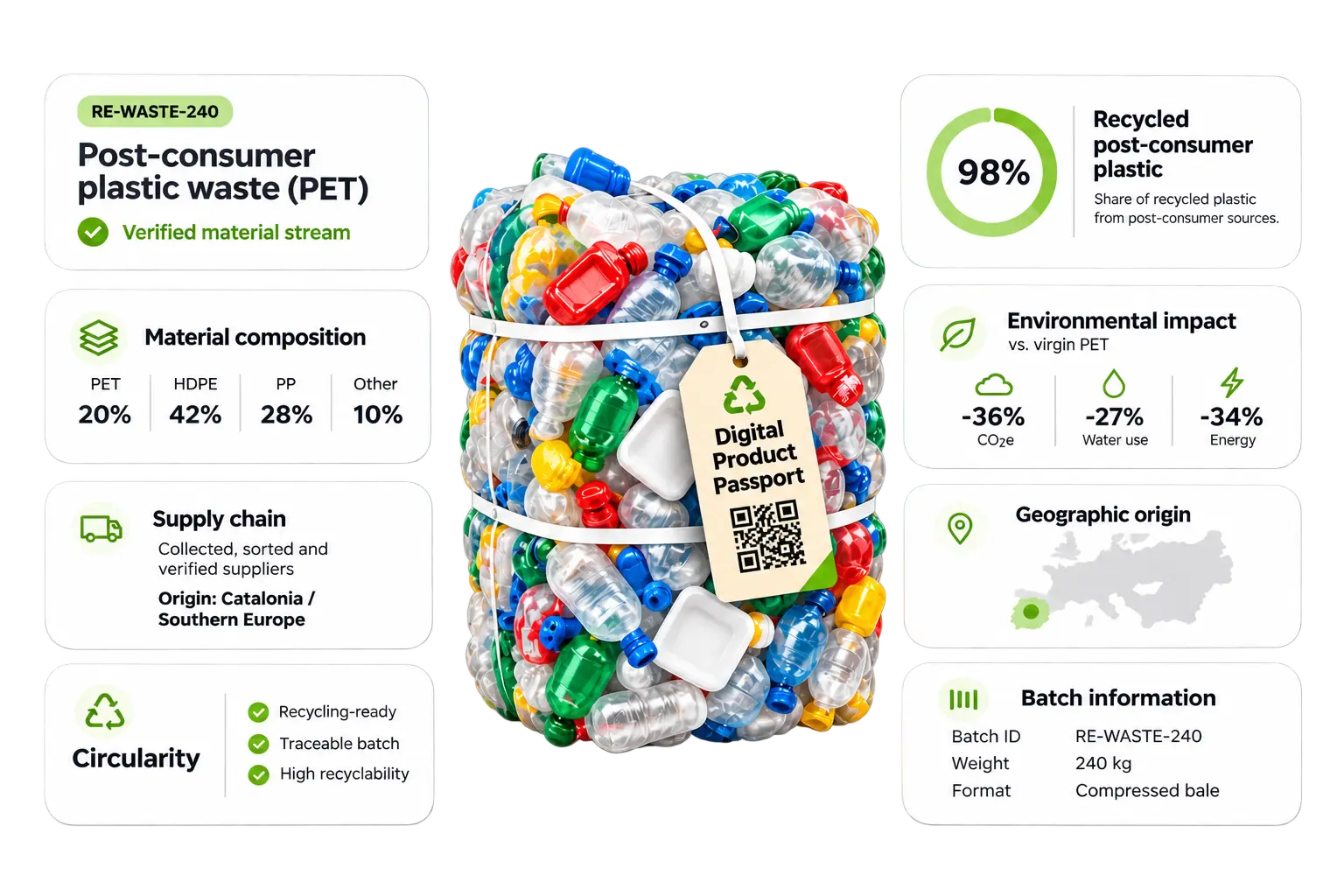
In this article
When waste leaves a business, its journey may involve transport companies, sorting facilities and treatment plants. Each stage generates information about weights, movements and transformations, yet these records often remain scattered across documents and separate systems.
A Digital Waste Passport brings these records together around a digital identity, preserving the relationships between the material, the operations it undergoes and the organisations involved.
The essential question is simple: what happened to the waste, and what evidence supports that account?
What is a Digital Waste Passport?
A Digital Waste Passport is a structured digital record that links waste or a waste batch to information about its origin, characteristics, movements and treatment. It can also include the documents and evidence supporting that history.
The passport develops as the material moves through the management chain. The waste producer records its origin, the transporter documents collection, and the receiving facility confirms arrival. The treatment operator subsequently adds information about processing and the resulting outputs.
Its value depends on continuity between these stages. Each record needs to remain connected to the relevant material, the operation performed and the organisation providing the information.
Producer
Creates the batch
Transporter
Records movement
Facility
Confirms receipt
Recycler
Documents outputs
Within a digital waste management strategy, the passport provides a shared structure for accessing, reviewing and exchanging records that might otherwise remain fragmented.
How does waste traceability work?
Waste traceability enables organisations to follow a material’s journey and reconstruct its history. This requires maintaining the relationships between its source, subsequent movements and processing stages.
A Digital Waste Passport can organise this tracking process into five steps.
Define what is being identified
Choose the tracking unit—a batch, consignment, container or collection—and preserve relationships when materials are split or combined.
Record the initial characteristics
Capture source, generation date, material type and quantity, including whether values were measured or estimated.
Document material movements
Connect collection, dispatch and receipt to the responsible parties, locations, dates and supporting documents.
Connect treatment inputs and outputs
Retain the relationship between incoming waste and every recovered fraction, secondary material or reject.
Share the relevant evidence
Link weighbridge tickets, transport documents, confirmations and analyses while managing access permissions.
Collection, dispatch and receipt records create a waste chain of custody. Systems can use standards such as GS1 EPCIS to structure what happened, when, where and in what business context.
What information should a Digital Waste Passport contain?
The passport’s contents should reflect the waste stream, operational processes and applicable requirements. Before selecting individual fields, organisations should establish what users need to know and which evidence they need to access.
The following structure provides a practical starting point:
| Category | Information it may include | Purpose |
|---|---|---|
| Identification | Batch identifier and relationships with other batches | Reconstruct the material’s history |
| Characteristics | Waste type, known composition and applicable classification | Understand the waste stream |
| Origin | Site, generating activity and date | Document provenance |
| Quantity | Weight, unit, measurement method and date | Compare inputs, movements and outputs |
| Custody | Participants, locations and transfers | Identify who was involved at each stage |
| Treatment | Facility, process and documented results | Follow material transformations |
| Evidence | Documents, weight records and analyses | Support recorded information |
| Data quality | Record author, reviews and corrections | Make records easier to verify |
This is a project design framework rather than a universal list of mandatory fields.
Consistent identifiers, compatible units and shared definitions improve waste data interoperability, making information easier to exchange between businesses and systems.
A practical example: from plastic waste to recovered material
Imagine a company sends 1,000 kg of plastic waste to a sorting facility. The Digital Waste Passport links the batch to its source site, collection, transport and recorded incoming weight.
Illustrative mass flow
1,000 kg incoming plastic waste
Plastic fraction
Sent to recycling
Other materials
Separated output
Rejects
Documented destination
The passport preserves the relationship between the original batch and all three fractions. When the 820 kg reaches the recycler, receipt information, processing records and the quantity of recovered material can be added.
This continuity distinguishes between waste collected, waste sent for recycling and material actually recovered. If dispatched and received weights differ, the discrepancy can be recorded and explained.
Digital Waste Passport vs Digital Product Passport
The Digital Waste Passport focuses on waste and management operations. The Digital Product Passport organises information associated with products, components and materials.
Waste Passport
Origin, custody, transport, treatment, outputs and evidence.
Product Passport
Product identity, composition, provenance and circularity information.
The passports complement each other when waste becomes recovered material and enters a new product. A manufacturer purchasing recycled plastic may need information about origin, processing and available evidence.
Provenance alone does not substantiate recycled-content claims. Organisations must also document quantities incorporated, subsequent transformations, and the calculation and verification method used. In textiles, this can connect recovered fibre origin with the garments that incorporate it.
How to start implementing a Digital Waste Passport
Start with a clear question: what information does the business need, and which decision will it support? A focused pilot can then follow six steps.
Select a waste stream
Choose a specific material and a clearly defined journey.
Identify the participants
Establish who generates, transports, receives and treats the material.
Agree on data and evidence
Define identifiers, fields, units and supporting documents.
Assign responsibilities
Specify who records, reviews and updates each operation.
Plan for exceptions
Define how discrepancies, missing documents and corrections will be handled.
Evaluate the results
Check whether the recorded history answers the original business question.
Useful pilot indicators include the percentage of batches with complete documentation, the time required to reconstruct a journey, and the proportion of operations with documented treatment results.
How can CircularPass help?
The CircularPass Digital Waste Passport solution connects waste data with the organisations involved in its management.
A project begins by identifying the materials to track, the information already available and the evidence participants need. The resulting structured history makes records easier to access and preserves the relationships between waste origin, documented treatment and recovered material.
CIRCULARPASS WASTE TRACEABILITY
Turn fragmented waste records into a connected material history.
Tell us which material stream you need to track and which evidence your organisation needs to preserve.
Explore the solutionRelated articles

PPWR Regulation: what it is, key requirements and how it affects businesses
Learn what the PPWR Regulation requires, when it applies, which companies are affected and how to prepare packaging data for compliance.
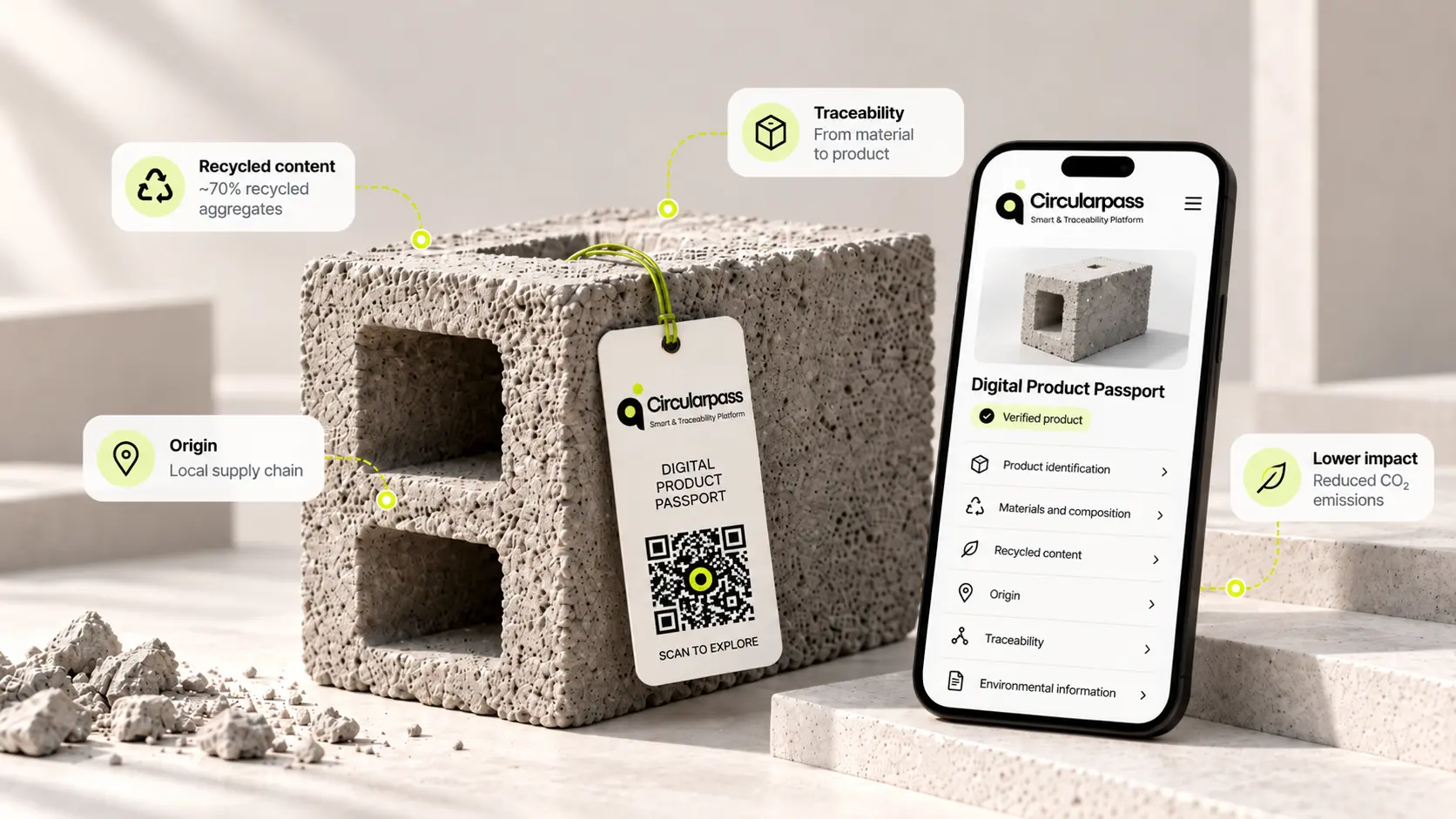
Digital Product Passport example: what a DPP looks like and how it works
See what a Digital Product Passport looks like in practice, what information it can contain, and how companies can prepare and implement their first DPP.
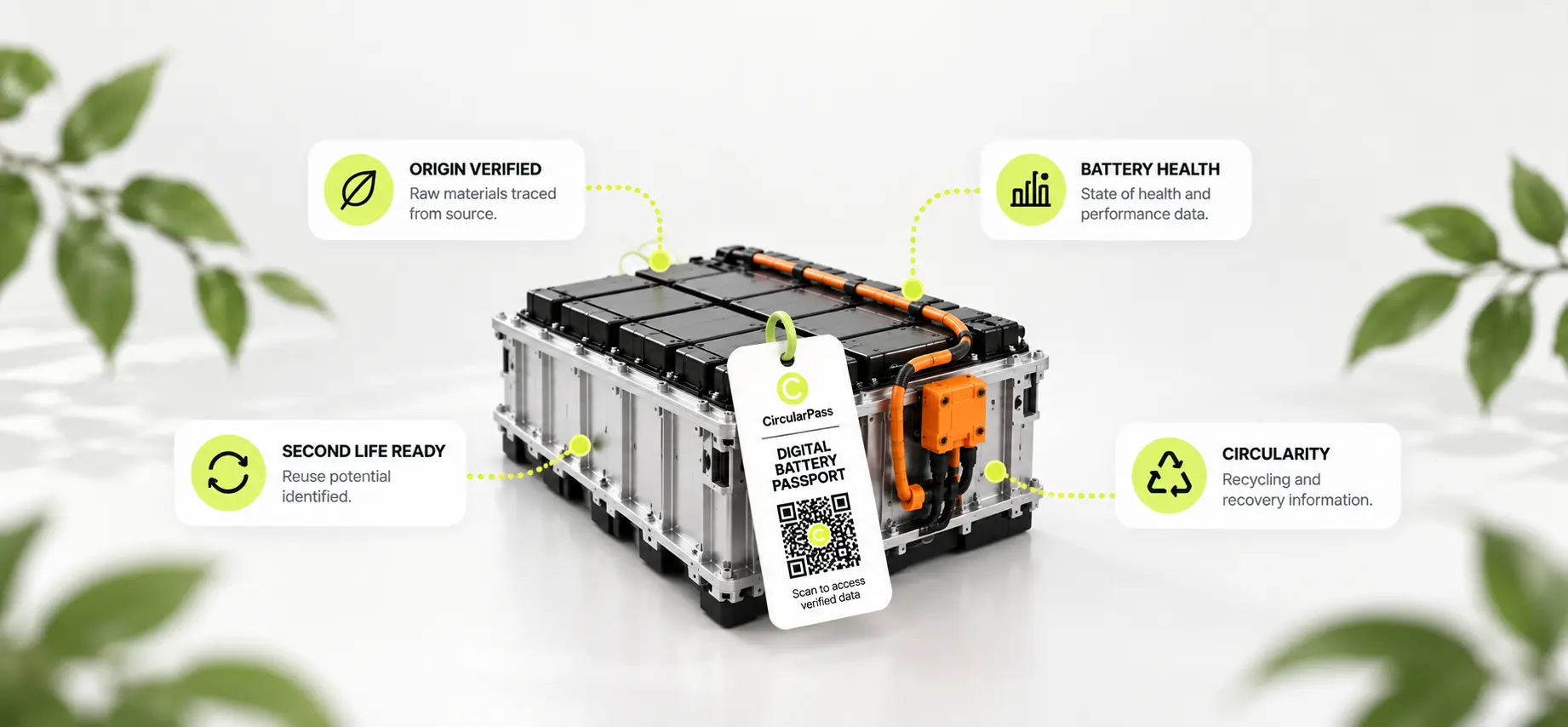
Digital Battery Passport under the EU Battery Regulation: requirements and how to prepare for 2027
Learn what the digital battery passport is, what the EU Battery Regulation requires, and how companies should prepare for 2027.