
ARTICLE | 8 min
Registre DPP: com preparar el teu Passaport Digital de Producte per al nou ecosistema de la UE
EasyTrack: prepara el teu Passaport Digital de Producte sense començar de zero
2 de setembre, 2026
En aquest article
El DPP Registry Ara està en funcionament i marca una nova etapa en el desplegament del Passaport digital de producte arreu d'Europa. Per a les empreses, això significa passar gradualment de l'anàlisi normativa a la preparació dels sistemes, les dades i els identificadors necessaris per implementar les DPPs en la pràctica.
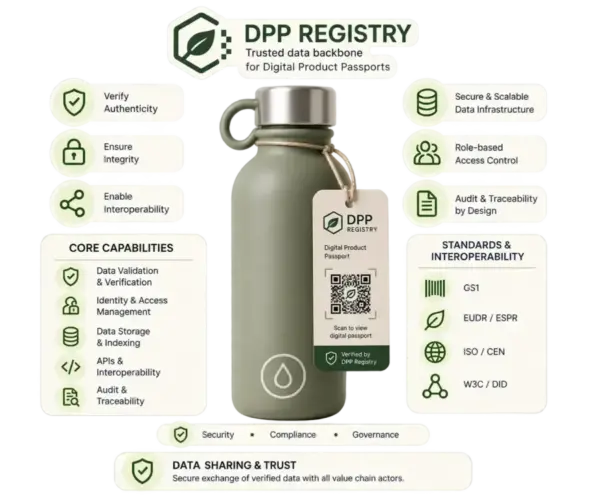
La Comissió Europea es refereix a aquesta infraestructura com a DPP Registry. La seva funció és actuar com el servei d'indicació europea dels passaports digitals vinculats als productes subjectes a aquesta obligació, proporcionant una infraestructura comuna per a la seva identificació i verificació en el mercat de la UE.
No obstant això, des de la perspectiva d’una empresa, el registre només és una part del procés. Abans que un producte arribi al Registre del DPP, cal abordar diverses qüestions operatives: On s'emmagatzemen les dades del producte? Com s'identifica el producte? Qui és el propietari i qui manté la informació? Com s'actualitza? Com es connecten els sistemes interns? I com es pot gestionar tot això a escala, amb milers de referències de producte?
Aquí és on comença un dels principals desafiaments de la implementació del Digital Product Passport.
Des del producte físic fins al Registre de DPP: què cal fer?
Per entendre què significa realment el Registre del DPP per a un negoci, és útil analitzar tot el procés, des del producte físic fins al seu passaport digital.
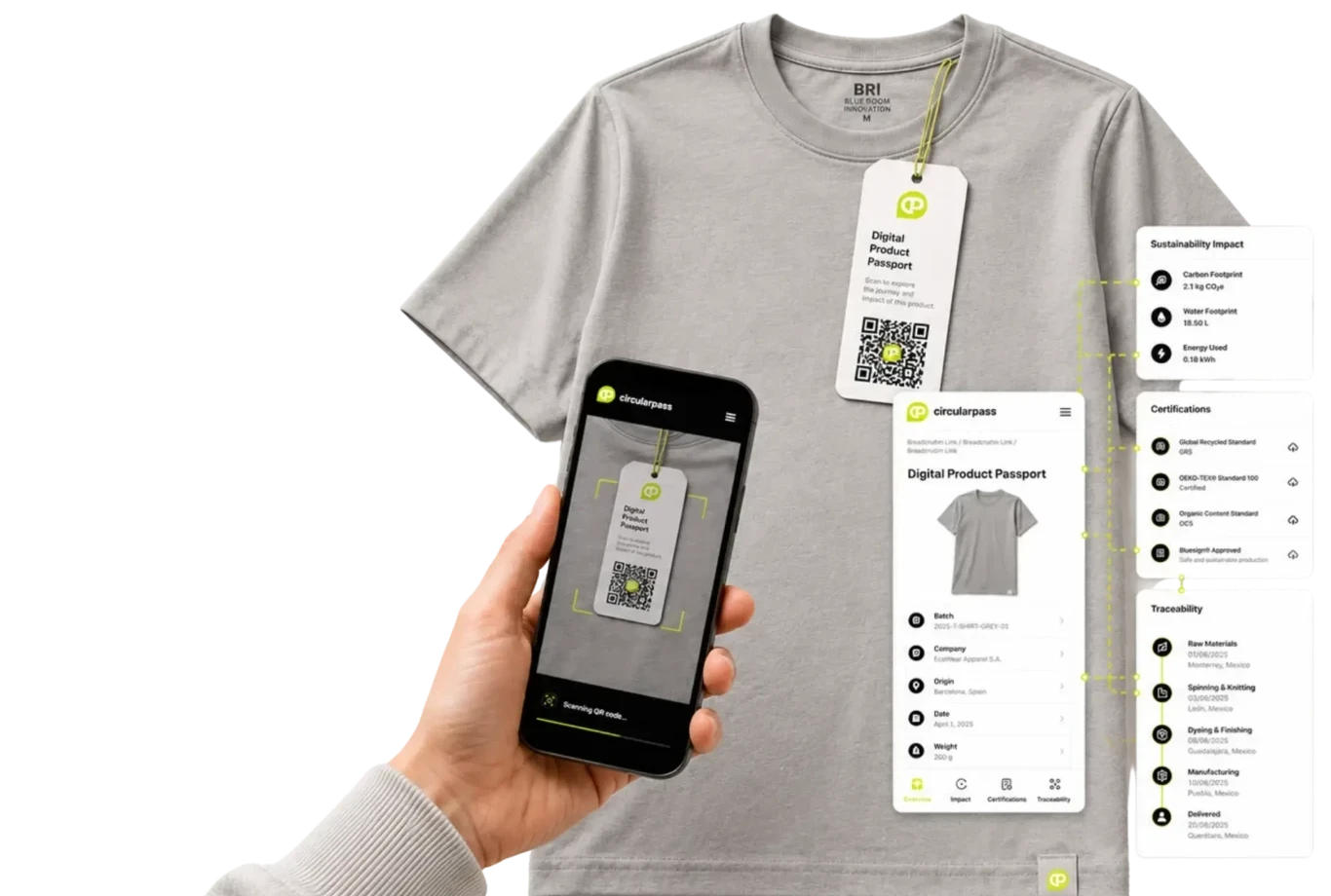
Un DPP no és simplement una pàgina de producte connectada a un codi QR. És part d'una arquitectura de dades més àmplia que inclou informació sobre els productes, identificadors, sistemes empresarials i diversos actors al llarg de la cadena de valor.
Identificar les dades necessàries per al producte
El primer pas és determinar quines informacions s'han d'incloure al Passaport Digital del producte.
Els requisits variaran segons la categoria de producte i la legislació aplicable. Depenent del sector, un DPP pot incloure informació sobre la composició, els materials, l'origen, les substàncies preocupants, el rendiment mediambiental, la durabilitat, el manteniment, la reparabilitat, la reciclabilitat o les instruccions sobre el final de la vida útil.
Troba la informació a través de l'organització
Alguns dades ja poden existir en un ERP, mentre que altra informació es pot emmagatzemar en un sistema PIM o PLM. Dades addicionals es poden trobar en la documentació tècnica, en els sistemes de producció, en plataformes de sostenibilitat o en bases de dades de proveïdors.
També és habitual trobar informació rellevant en fulls de càlcul o documents que encara no estan connectats als sistemes corporatius.
Per tant, crear passaports digitals per a productes a escala implica construir un mapa clar de totes les fonts de dades rellevants.
Identifiqueu correctament el producte
Els identificadors són una part fonamental de l'arquitectura del DPP perquè vinculen el producte físic amb la seva identitat digital i el passaport corresponent.
Depenent de la categoria de producte i dels requisits aplicables, les empreses poden haver de treballar a nivell de model, lot o article individual.
Crear i registrar el DPP
Un cop les dades estan estructurades i els identificadors estan definits, es pot crear el Passaport de producte digital.
Quan s'apliqui l'obligació corresponent, l'operador econòmic haurà de registrar el passaport al Registre de DPP de la UE d'acord amb els requisits aplicables.
El Registre emmagatzema identificadors únics, informació de registre i metadades d'alt nivell, creant una referència comuna dins de l'ecosistema de les DPP europees.
Mantenir el passaport durant tot el cicle de vida del producte
El procés no acaba un cop s'ha creat i s'ha registrat el DPP.
La informació ha de mantenir-se precisa i disponible durant el període establert per la legislació aplicable. Això significa que les empreses han de considerar com s’actualitzarà la informació quan es modifiqui una especificació, un proveïdor o una altra informació rellevant sobre el producte.
El veritable repte del Registre del DPP no és el codi QR, sinó les dades
El codi QR sovint és l'element més visible d'un Passaport de productes digitals, però tècnicament només és un mecanisme per accedir a la informació.
Quan algú accedeix a un DPP, el sistema ha de poder identificar correctament el producte, recuperar les dades adequades, aplicar les regles d'accés pertinents i mostrar informació fiable i actualitzada.
En una organització, aquestes dades poden provenir de múltiples fonts, com ara ERP, PIM, PLM, MES, sistemes de traçabilitat, documentació tècnica, plataformes ESG, proveïdors o bases de dades internes.
Com a resultat, una empresa pot generar un codi QR en qüestió de minuts, mentre que calen mesos per preparar la infraestructura que el sustenta.
La preparació del Registre del DPP comença amb la qualitat, l'estructura i la governança de les dades dels productes.
Per què és tan important la interoperabilitat?
El sistema europeu de passaport digital de productes està dissenyat per funcionar en un entorn interoperable. Això és important perquè un DPP pot necessitar interactuar amb diferents empreses, plataformes, autoritats i actors al llarg de la cadena de valor.
El marc tècnic que hi ha darrere del Registre inclou elements com ara identificadors, mecanismes de verificació, models de dades, estructures semàntiques i altres components dissenyats per donar suport a l’intercanvi d’informació entre els sistemes. Per a les empreses, això significa que el DPP no ha de convertir-se en un altre silòni de dades separat.
Una arquitectura preparada per al futur hauria de permetre la informació sobre els productes El flux d'entrada i sortida de la plataforma DPP de manera estructurada, alhora que es connecta amb els sistemes corporatius i les solucions externes.
Això es torna especialment important per a les empreses que gestionen grans catàlegs de productes o cadenes de subministrament complexes.
El Registre del DPP ja està disponible?
Sí, la Comissió Europea va posar en marxa Registre del DPP el 20 de juliol de 2026.
Els operadors econòmics ja poden començar a registrar les seves organitzacions, i la Comissió també proporciona un entorn de proves específic.
Aquest entorn de proves permet a les empreses explorar fluxos de treball i funcionalitats sense afectar les dades reals de la producció, la qual cosa el fa especialment útil per a les organitzacions que volen validar els processos abans que s'apliquin les obligacions del DPP a la seva categoria de producte.
La Comissió també manté un Guia d'usuari per a operadors econòmics, actualitzat a l'agost de 2026, amb orientacions pràctiques sobre l'organització de la inscripció i sobre la inscripció i gestió dels Passaports de productes digitals.
Això fa del 2026 un any important per a les empreses perquè passin de l'anàlisi normativa a l'experimentació pràctica.
Quines empreses haurien de començar a treballar en la preparació per al DPP ara mateix?
El fet que el Registre del DPP ja estigui en funcionament no significa que tots els productes venuts a Europa necessitin actualment un Passaport Digital del Producte.
Les obligacions s'introduiran progressivament per categoria de producte i dependran de la legislació específica adoptada per cada sector.
Un dels primers casos d'ús importants seran les bateries. A partir del 18 de febrer de 2027, determinades bateries de vehicles elèctrics, les bateries LMT i les bateries industrials de més de 2 kWh dins de l'àmbit pertinent hauran de disposar d'un passaport de bateria.
La Comissió Europea també ha publicat una guia que consolida 71 punts de dades En relació amb el passaport de bateries, ajudant les empreses a entendre quines informacions hauran de recopilar i gestionar.
El Pla de treball d'ESPR també identifica grups de productes prioritaris com ara acer i acer inoxidable, tèxtils, pneumàtics, alumini, mobles, matalassos i determinats productes de la tecnologia de la informació i la comunicació. La seva inclusió en el Pla de Treball no implica automàticament que tots ells necessitaran un DPP. Els requisits específics es definiran més endavant a través dels estudis corresponents, les avaluacions d'impacte i els actes legislatius.
Per aquest motiu, fins i tot les empreses que encara no hagin d’aplicar aquesta normativa fins a uns quants anys enrere haurien de començar a avaluar ara la disponibilitat i la qualitat de les seves dades de producte.
Com preparar la vostra empresa per al Registre del DPP
La preparació no hauria de començar només amb la tecnologia. El primer pas és comprendre l'estat actual de la informació sobre els productes a tota l'organització.
Aquests són alguns dels passos clau que les empreses haurien de considerar.
Crear un inventari de fonts de dades de productes
Comenceu identificant on s'emmagatzemen la informació del producte rellevant a través d'ERP, PIM, PLM, sistemes de producció, documentació tècnica i bases de dades dels proveïdors. També és important saber qui és el propietari de cada punt de dades i amb quina freqüència es modifica.
Comparació de les dades existents amb els requisits del DPP
Un cop s'hagin mapejat les dades disponibles, comproveu-les amb els requisits que s'apliquen —o s'espera que s'apliquin— a la vostra categoria de productes. Això ajudarà a identificar informació que falta, no està estructurada o depèn del proveïdor i que pot requerir una feina addicional.
Dissenyar el model de dades del producte
El següent pas és organitzar la informació dispersa en una estructura coherent. L’objectiu és definir com cada punt de dades es relaciona amb el producte i com es pot intercanviar amb altres sistemes.
Connectar els sistemes existents
Una implementació de DPP escalable hauria d'evitar la transferència manual de dades sempre que sigui possible. Integrar els sistemes corporatius directament amb la plataforma DPP ajuda a reduir els errors, a millorar la coherència i a simplificar la manteniment continuat.
Definir una estratègia d'identificació
Les empreses necessiten determinar com cada producte físic estarà vinculat a la seva identitat digital. Segons els requisits, això pot implicar identificadors a nivell de model, lot o article individual.
Automatitzar la creació i les actualitzacions del DPP
La gestió manual pot funcionar bé per a un petit pilot, però no per a grans catàlegs de productes. Per tant, la creació i actualització de DPP hauria d’automatitzar-se al màxim possible utilitzant dades procedents dels sistemes corporatius existents.
Prova el procés d'extrem a extrem abans que esdevingui obligatori
L'entorn de proves del Registre del DPP permet a les empreses validar identificadors, qualitat de les dades, integracions i fluxos de treball interns abans de passar a la fase de producció. L'objectiu és assegurar-se que el flux de dades complet funcioni d'una manera coherent i uniforme.
CircularPass: una capa de dades de producte per als passaports digitals de productes
A CircularPass, En aquest cas, considerem el Digital Product Passport com una infraestructura de dades, més que no pas simplement com una interfície per mostrar la informació del producte.
La plataforma ajuda les organitzacions a recopilar, estructurar i connectar la informació sobre productes procedent de diferents fonts, transformant-la en passaports digitals de productes que poden evolucionar amb els requisits reguladors europeus.
Això pot incloure dades relacionades amb productes, materials, proveïdors, traçabilitat, sostenibilitat, circularitat, reparabilitat i gestió de la vida útil. L’objectiu és assegurar que aquesta informació s’integri amb els sistemes empresarials existents i es pugui gestionar a gran escala sense repetir processos manuals per a cada producte.
Com que DPP Registry I a mesura que els requisits sectorials continuen evolucionant, aquesta capacitat d'integrar, automatitzar i escalar esdevindrà cada cop més important.
Preparar el Registre del DPP significa, per tant, preparar el conjunt més ampli de documents. infraestructura de dades de productes Darrere de cada passaport: localització de dades, atenció a les mancances, treball amb els proveïdors, definició d'identificadors i connexió de sistemes abans de l'arribada dels terminis obligatoris.
El El Passaport de productes digitals no hauria de convertir-se en un altre espai d'emmagatzematge d'informació dins de l'organització. Quan s'implementa correctament, es pot convertir en una capa digital que connecta les dades dels productes durant tot el cicle de vida.
Amb CircularPass, Així, ajudem les organitzacions a construir aquesta capa i a preparar els seus productes per al nou ecosistema de DPP europeu.
Articles relacionats

2 de febrer de 2026
Reglament d'ecodisseny per a productes sostenibles (ESPR): què requereix i com preparar-se per al 2026
Una visió general del Reglament ESPR, els seus requisits, el calendari d'implementació i el que les empreses han de preparar per al 2026.

20 de gener de 2026
El Passaport Digital de Producte al 2026: un factor clau per a la traçabilitat i la sostenibilitat a Europa
Què és el Passaport Digital de Producte, per què esdevé essencial el 2026 i com les empreses es poden preparar per al nou estàndard de traçabilitat d'Europa.
11 de febrer de 2026
Passaport de producte digital per a tèxtils: una revolució en la indústria de la moda
Descobreix com el passaport digital de producte per a tèxtils està revolucionant la indústria de la moda proporcionant traçabilitat, sostenibilitat i transparència totals.
Comença avui mateix el teu viatge cap a la transparència de la cadena de subministrament
Descobreix Blue Room Innovation, l'empresa tecnològica que impulsa CircularPass, on les solucions digitals es combinen amb l'impacte ambiental per construir un futur més intel·ligent i circular.