
مقالة | 12 دقيقة
بطاقة المواد: مفتاح لقطاع بناء أكثر قابلية للتتبع ودائرية
EasyTrack: جهّز جواز سفر منتجك الرقمي دون البدء من الصفر
٠٤ يونيو, 2026
في هذه المقالة
يشهد قطاع البناء تحولًا كبيرًا. لم تعد الاستدامة تقتصر على تحسين كفاءة الطاقة في المباني أو استخدام مواد ذات تأثير بيئي أقل. يتزايد التأكيد على إظهار، ببيانات موثوقة، ما هي المواد المستخدمة، ومن أين أتت، وما هي خصائصها، وما هو تأثيرها، وما هي الإمكانيات التي توفرها في نهاية دورة حياتها.
هذا التحول لا يدفعه اتجاهات السوق فقط. ينتقل التنظيم الأوروبي نحو نموذج يجب أن ترفق فيه مواد البناء بمعلومات رقمية منظمة ومتاحة وقابلة للتحقق. مثال واضح هو اللائحة (الاتحاد الأوروبي) 2024/3110, ، اللائحة الأوروبية الجديدة لمنتجات البناء، والتي أرست قواعد منسقة لتسويق هذه المنتجات وتحل تدريجياً محل اللائحة السابقة (الاتحاد الأوروبي) رقم 305/2011.
هذا النظام، المعروف أيضاً باسم لائحة منتجات البناء أو تنظيم الإنعاش القلبي الرئوي, ، ويعزز قطاع بناء أكثر رقمية وشفافية تماشياً مع أهداف الاستدامة الأوروبية. ومن أهم تطوراته إدخال جواز سفر المنتجات الرقمية للمنتجات الإنشائية, ، نظام مصمم لتسهيل الوصول إلى المعلومات الفنية والبيئية والمتعلقة بالامتثال للمنتجات.
دخل التنظيم حيز التنفيذ في 7 يناير 2025, ، وسيتم سريان معظم أحكامه من 8 يناير 2026, على الرغم من أن تطبيقه سيكون تدريجيًا ويعتمد جزئيًا على معايير جديدة متوافقة ومتطلبات محددة حسب عائلة المنتج.
في هذا السياق، جواز سفر المواد لتصبح أداة استراتيجية للمصنعين وشركات الإنشاءات والمطورين ومديري النفايات. على الرغم من أن اللائحة تركز بشكل أساسي على جواز السفر الرقمي للمنتج، إلا أن الكثير من البيانات المطلوبة للامتثال لهذا الإطار الجديد تعتمد بشكل مباشر على معلومات المواد: التركيب، الأصل، المحتوى المعاد تدويره، التأثير البيئي، التتبع، قابلية إعادة التدوير، والوثائق الفنية.
ولهذا السبب، لا ينبغي فهم جواز السفر المادي على أنه مجرد وثيقة أخرى. إنه أساس رقمي يجعل من الممكن تنظيم المعلومات المادية، وتحسين إمكانية التتبع، وإعداد الشركات لسوق تكون فيه البيانات بنفس أهمية المنتج المادي نفسه.
ما هو جواز السفر المادي؟
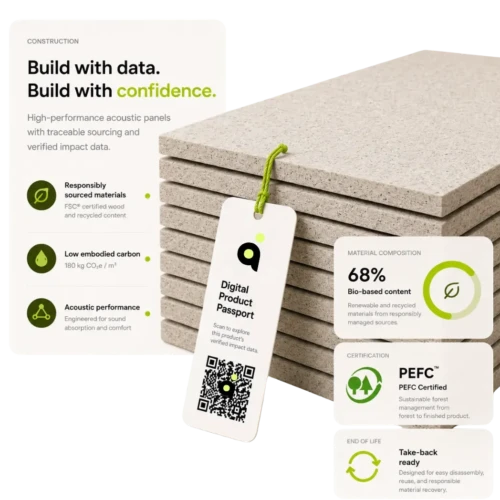
A جواز سفر المواد هو سجل رقمي يجمع وينظم ويحافظ على المعلومات ذات الصلة حول المواد المستخدمة في منتج أو مبنى أو بنية تحتية أو عملية بناء. والغرض منه هو إنشاء هوية رقمية للمواد حتى يمكن تحديدها وتتبعها وتقييمها وإدارتها طوال دورة حياتها الكاملة.
بخلاف ورقة البيانات التقنية التقليدية، لا يقتصر جواز سفر المواد على وصف خصائص المنتج عند البيع. وظيفته أوسع: فهو يربط المعلومات حول الأصل، والتركيب، والأداء التقني، والأثر البيئي، والشهادات، والصيانة، وإعادة الاستخدام، وقابلية إعادة التدوير، وإدارة نهاية العمر.
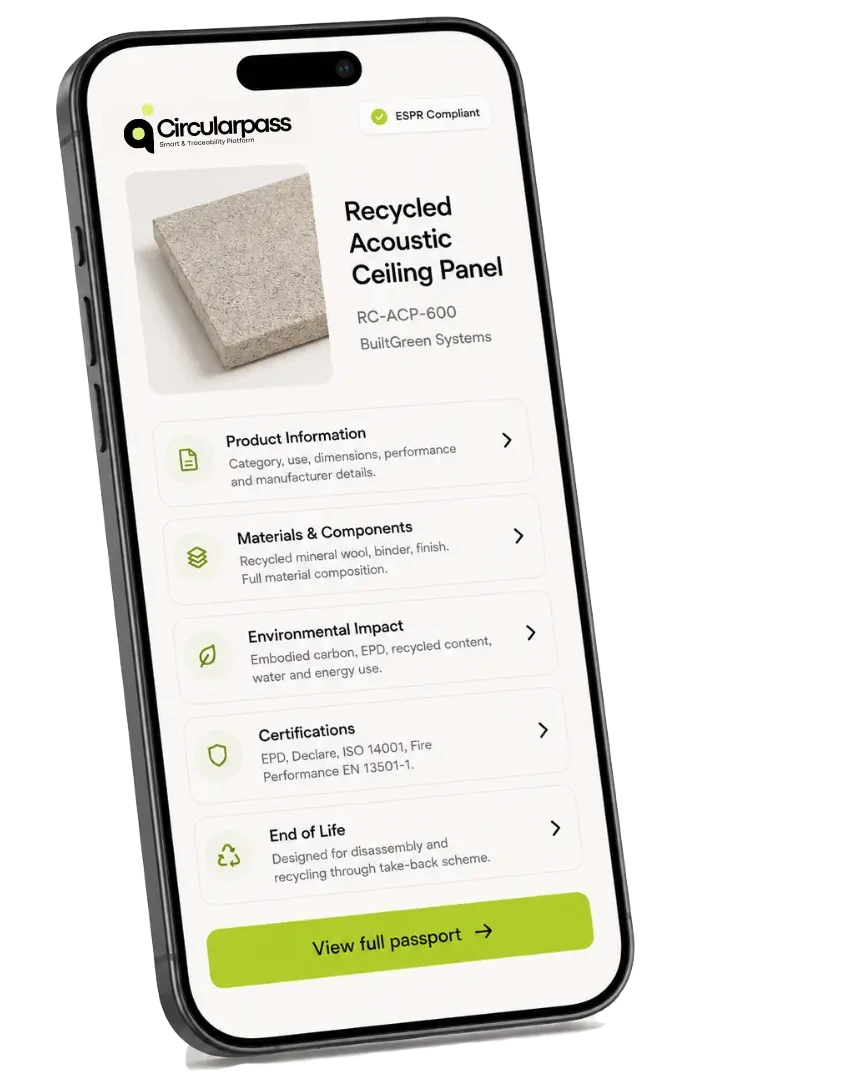
بمعنى آخر، تساعد بطاقة المواد في الإجابة على أسئلة مثل: ما هي المواد التي يتكون منها المنتج، ومن أين أتت، وما هو تركيبها، وما إذا كانت تحتوي على محتوى معاد تدويره، وما هو تأثيرها البيئي، وما إذا كان يمكن إعادة استخدامها أو تدويرها، وما هي الوثائق الفنية أو البيئية التي تدعمها.
تكتسب هذه المعلومات أهمية خاصة في مجال الإنشاءات، حيث تظل المواد مدمجة في المباني والبنية التحتية لعقود. قد يحتوي المبنى على الفولاذ والخرسانة والخشب والزجاج والألمنيوم والعزل والأرضيات والألواح والكابلات والواجهات والعديد من المكونات التقنية. وبدون إمكانية تتبع سليمة، تُفقد الكثير من هذه المعلومات بمرور الوقت.
عند تجديد المباني أو ترميمها أو هدمها، تُعامل العديد من المواد كنفايات منخفضة القيمة لمجرد أن تكوينها أو مصدرها أو حالتها غير معروفة بدقة. ولكن، إذا كانت لتلك المواد هوية رقمية، فيمكنها الاحتفاظ بهويتها وتصبح موارد قيمة لدورات إنتاج جديدة.
تُمكّن جوازات سفر المواد الانتقال من المنطق الخطي إلى المنطق الدائري. فبدلاً من التصنيع والاستخدام والتخلص، تسمح بتحديد المواد والحفاظ عليها واستعادتها وتثمينها. هذا الاختلاف أساسي لبناء اقتصاد أكثر كفاءة في استخدام الموارد.
من المهم أيضًا أن ندرك أن جواز سفر المواد لا يجب أن يكون هو نفسه لكل شركة. قد يختلف محتواه اعتمادًا على نوع المنتج، ومستوى التفصيل المطلوب، والقطاع، وسلسلة التوريد، وأهداف الشركة. ومع ذلك، فإن الغرض منه هو دائمًا نفسه: تحويل معلومات المواد إلى بيانات مفيدة وقابلة للتتبع وقابلة للتنفيذ.
لماذا جواز السفر المادي هو مفتاح البناء
يتركز قطاع الإنشاءات على كمية كبيرة من المواد التي قد تظل داخل المباني والبنية التحتية لعقود من الزمن بمجرد تركيبها. ومع ذلك، لا يتم دائمًا الحفاظ على المعلومات المرتبطة بهذه المواد بنفس مستوى الدقة. غالبًا ما تكون البيانات المتعلقة بالتركيب، المصدر، الشهادات، التأثير البيئي، أو إمكانية الاستعادة موزعة عبر وثائق وشركات ومراحل مشروع مختلفة.
يخلق هذا النقص في الاستمرارية مشكلة مهمة: عند فقدان المادة لمعلوماتها، فإنها تفقد أيضًا جزءًا من قيمتها. يصبح من الصعب إثبات جودتها، أو تبرير مطابقتها، أو تخطيط صيانتها، أو استعادتها بشكل صحيح في نهاية دورة حياتها.
إن جواز سفر المواد يعالج هذا التحدي من خلال إنشاء هوية رقمية لكل مادة أو منتج إنشائي. بهذه الطريقة، لم تعد المعلومات مقتصرة على ورقة بيانات فنية أو شهادة معزولة، بل يمكن أن تصاحب المادة في رحلتها بأكملها: من التصنيع إلى التركيب، الاستخدام، التجديد، التفكيك، أو إعادة التدوير.
من الناحية العملية، يتيح ذلك اتخاذ قرارات أفضل في كل مرحلة من مراحل المشروع. أثناء التصميم، يساعد في اختيار المواد ببيانات أكثر اكتمالاً حول الأداء، أو الأثر البيئي، أو المحتوى المعاد تدويره، أو إمكانية الاقتصاد الدائري. أثناء البناء، يسهل تتبع المنتجات المثبتة ويحسن التحكم في المستندات. أثناء مرحلة استخدام المبنى، يمكنه دعم مهام الصيانة، أو الاستبدال، أو التجديد. وعند نهاية العمر الافتراضي، يساعد في تحديد المواد التي يمكن إعادة استخدامها، أو إعادة تدويرها، أو استعادتها بضمانات أكبر.
تلبي بطاقة المواد أيضًا حاجة متزايدة الأهمية للشركات في هذا القطاع: إثبات الادعاءات بالبيانات. في سوق تتزايد فيه المتطلبات التنظيمية، ومعايير ESG، ومطالب العملاء والإدارات العامة، فإن امتلاك معلومات منظمة حول المواد يمكن أن يصبح ميزة تنافسية.
لهذا السبب، تتجاوز أهميته الاستدامة. جواز سفر المواد يساعد على تقليل فقدان المعلومات، وتحسين إمكانية التتبع، وتسهيل الامتثال التنظيمي، وإعداد القطاع لنموذج بناء أكثر دائرية ورقمية وكفاءة.
تتضمن جوازات المواد معلومات حول: * **التركيب (Composition):** قائمة مفصلة بالمواد الخام والنسب التي تدخل في تكوين المنتج. * **مصدر المواد (Origin of Materials):** معلومات عن مكان استخراج أو إنتاج المواد الخام، بما في ذلك الموقع الجغرافي والاعتبارات البيئية والاجتماعية. * **عمليات الإنتاج (Production Processes):** تفاصيل عن العمليات الصناعية المستخدمة في تصنيع المنتج، بما في ذلك استهلاك الطاقة والمياه والانبعاثات. * **إعادة الاستخدام وإعادة التدوير (Reuse and Recycling):** معلومات حول مدى قابلية المنتج لإعادة الاستخدام أو إعادة التدوير، وكيفية القيام بذلك. * **إزالة المواد الخطرة (Hazardous Material Removal):** تحديد أي مواد خطرة قد تكون موجودة وكيفية التعامل معها بأمان عند نهاية عمر المنتج. * **الكيمياء (Chemistry):** تفاصيل عن الخصائص الكيميائية للمواد، بما في ذلك أي مواد قد تكون لها آثار صحية أو بيئية. * **الشهادات والتراخيص (Certifications and Licenses):** أي شهادات أو تراخيص تتعلق بالجودة أو الاستدامة أو السلامة. * **معلومات العرض (End-of-Life Information):** توصيات حول كيفية التخلص من المنتج أو إعادة تدويره بصورة مسؤولة.
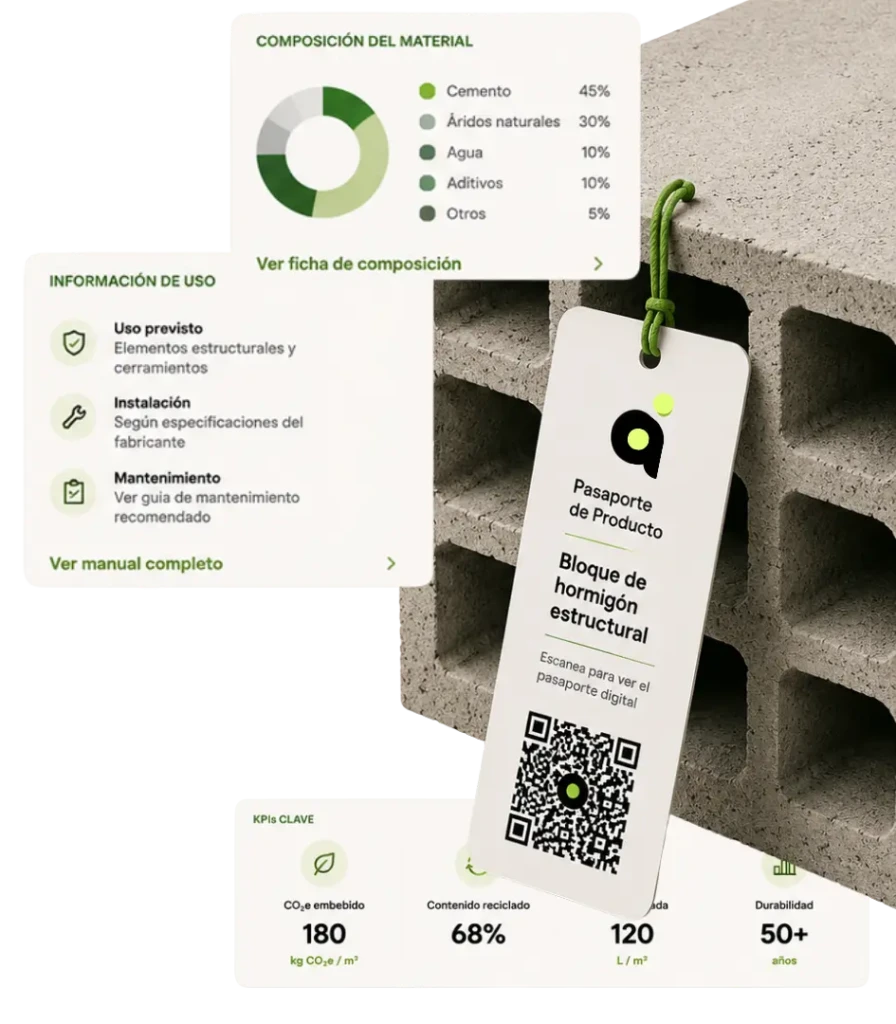
A جواز سفر المواد يمكن أن يتضمن مستويات مختلفة من المعلومات اعتمادًا على استخدامه المقصود. ومع ذلك ، لكي يكون مفيدًا حقًا ، يجب أن يشمل البيانات الفنية والبيئية والدائرية والوثائقية.
- تحديد المواد: البيانات الأساسية التي تربط المادة المادية بسجلها الرقمي (الاسم، الشركة المصنعة، المورد، الدفعة، تاريخ الإنتاج، رمز المرجع، الموقع، عائلة المنتج، المعرف الفريد).
- تكوين: تفاصيل مكونات المادة، مثل المواد الخام، النسب المئوية، المحتوى المعاد تدويره، الإضافات، المعالجات، أو الطلاءات، المفيدة لتقييم قابلية إعادة التدوير والسلامة والتوافق.
- الأداء الفني: الخصائص والاختبارات المتعلقة بالمتانة، والقوة، والسلامة، والعزل الحراري/الصوتي، والاستقرار، والأداء الميكانيكي، بما في ذلك شروط الاستخدام وتعليمات التركيب.
- معلومات بيئية: مؤشرات مثل البصمة الكربونية، استهلاك الطاقة والمياه، الانبعاثات المرتبطة، تقييمات دورة الحياة، الإعلانات البيئية، والشهادات.
- معلومات دائرية: اعتبارات نهاية العمر الافتراضي، بما في ذلك إمكانية إعادة الاستخدام، قابلية إعادة التدوير، تعليمات التفكيك، خيارات الإصلاح، الاستعادة، أو الإرجاع إلى الشركة المصنعة.
- وثائق الامتثالالشهادات، علامة CE، إعلانات المطابقة، الأدلة، الضمانات، وأي دليل يثبت الامتثال التنظيمي.
- تاريخ المواد: سجل الأحداث طوال دورة حياتها: التصنيع، النقل، التسليم، التركيب، الصيانة، الإصلاح، التفكيك، إعادة الاستخدام، أو إعادة التدوير.
وهذه النقطة الأخيرة مهمة بشكل خاص. يجب ألا تكون جوازات السفر للمواد لقطة ثابتة للمنتج، بل سجلاً حياً. تزداد قيمتها عندما يمكن تحديثها ومرافقتها للمواد طوال دورة حياتها بأكملها.
المفتاح هو أن تكون البيانات منظمة وقابلة للتحقق وقابلة للتشغيل المتبادل. لا يتعلق الأمر ببساطة بتحميل المستندات إلى منصة، بل بتحويل المعلومات إلى أصل رقمي يمكن استشارته ومشاركته واستخدامه لاتخاذ القرارات.
فوائد للمصنعين وشركات البناء ومديري النفايات
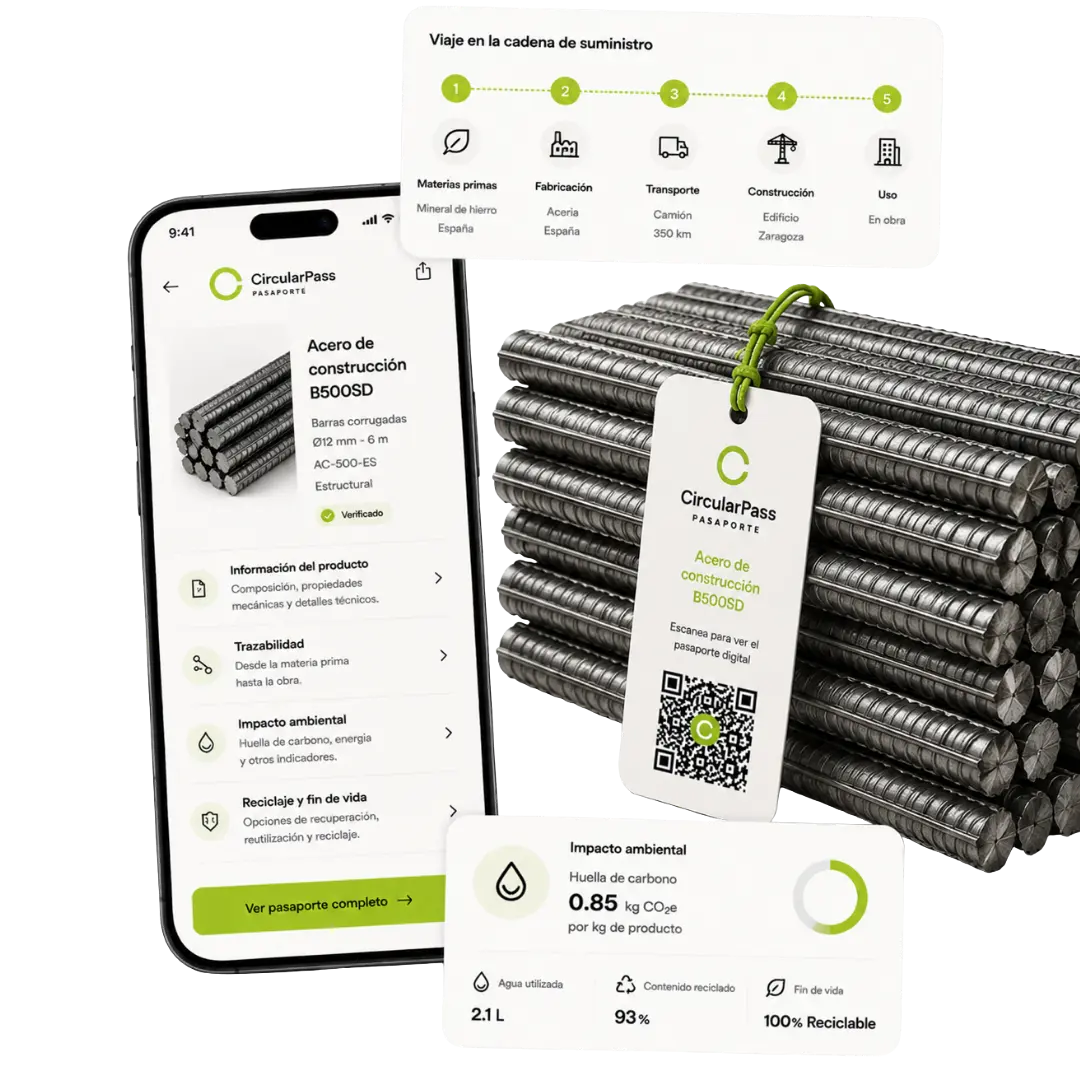
إن جواز سفر المواد يضيف قيمة عبر سلسلة القيمة بأكملها للبناء، من التصنيع إلى إدارة نهاية العمر. تساعد معلوماته على تحسين العمليات، وضمان الامتثال، وخلق قيمة في كل مرحلة من مراحل المشروع.
لِ مصنعون, ، مما يسمح لهم بإظهار استدامة وجودة منتجاتهم ببيانات يمكن التحقق منها، والتمييز عن المنافسين، وتسهيل عمليات التدقيق، والاستجابة بشكل أفضل للعطاءات، وتحسين إدارة سلسلة التوريد الداخلية.
لِ شركات البناء, ، فهي تضفي المركزية على المعلومات الموجودة في الموقع، وتحسن التحكم في المستندات، وتقلل الوقت الإداري، وتعزز إمكانية التتبع والامتثال للمتطلبات البيئية ومتطلبات الشهادات.
لِ مطورين, ، وهو يوفر الشفافية ويدعم الصيانة والتجديدات المستقبلية وعمليات التدقيق. من أجل مهندسون معماريون وشركات هندسية, ، مما يمكّن اتخاذ قرارات مستندة إلى البيانات بشأن التكلفة والأداء الفني والتأثير البيئي ودورية المواد.
لِ مديرو النفايات والقائمون بإعادة التدوير, ، مما يحسّن فصل المواد وتصنيفها وإعادة قيمتها، ويعزز جودة إعادة التدوير ويوّلد مواد خام ثانوية ذات قيمة أعلى.
بشكل عام، جواز سفر المواد يتجاوز الامتثال التنظيمي،, زيادة الكفاءة، وتقليل المخاطر، وتعزيز الشفافية، وفتح فرص عمل جديدة.
كيف تبدأ بتنفيذ جواز سفر المواد مع EasyTrack
تنفيذ جواز سفر المواد لا يلزم أن يبدأ بمشروع معقد أو تكامل تكنولوجي كبير. بالنسبة للعديد من الشركات، تتمثل الخطوة الأولى في تنظيم المعلومات التي تمتلكها بالفعل حول منتجاتها وموادها، وتحديد البيانات المفقودة، وإنشاء نسخة أولية وظيفية من الجواز.
إيزي تراك, ، حل CircularPass، مصمم بدقة لهذه النقطة البداية. فهو يمكّن الشركات من بدء رحلتها نحو جواز سفر المواد بطريقة موجهة وعملية وقابلة للتوسع.
من خلال EasyTrack، يمكن للشركة اختيار منتج، أو عائلة مواد، أو خط إنتاج محدد وتحويل معلوماته الحالية إلى هيكل رقمي أولي. يتيح ذلك تصور كيفية عمل جواز السفر، والبيانات المطلوبة، والتحسينات التي يجب إجراؤها للتحرك نحو إمكانية تتبع أكثر اكتمالاً.
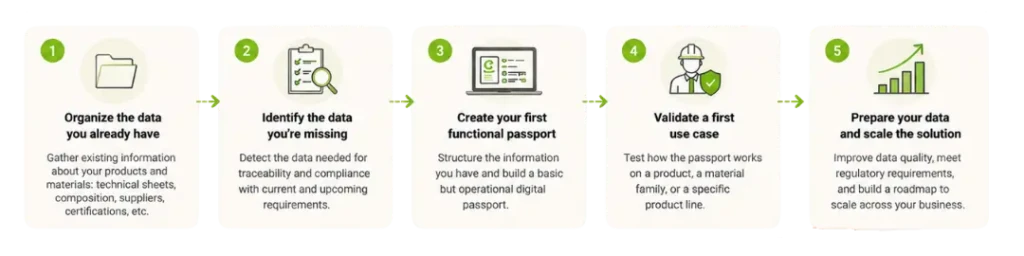
تكمن قيمة EasyTrack في حقيقة أن الشركات يمكنها البدء دون الحاجة إلى رقمنة كتالوجها بالكامل منذ اليوم الأول. يمكنهم التحقق من حالة استخدام أولى، وإعداد بياناتهم لمتطلبات تنظيمية مستقبلية، وبناء خارطة طريق واضحة لتوسيع نطاق الحل.
بهذه الطريقة، الـ جواز سفر المواد تتوقف عن كونها فكرة مجردة وتصبح مشروعًا أوليًا ملموسًا، قابلًا للإدارة، ويتمحور حول النتائج.
التطبيقات العملية لجواز المواد
إن جواز سفر المواد تصبح ذات قيمة عندما تنتقل من كونها سجلاً رقمياً إلى أداة تشغيلية. وتتضح فائدتها بشكل خاص عندما يمكن مشاركة المعلومات بين مختلف الجهات الفاعلة في سلسلة القيمة بطريقة آمنة وقابلة للتشغيل البيني وقابلة للتتبع.
عند Blue Room Innovation, لقد عملنا على مشاريع توضح كيفية تطبيق جوازات السفر الرقمية في سياقات واقعية لقطاع الإنشاءات، وربط المواد والمنتجات والنفايات ومساحات البيانات. تسمح لنا هذه التجربة بفهم جواز سفر المواد ليس فقط كأداة توثيق، ولكن كبنية تحتية رقمية لدفع الاقتصاد الدائري.
أحد الأمثلة هو مشاركتنا في ريتيك, ، حيث قمنا بتطوير موصل بيانات لربط جوازات السفر الرقمية المرتبطة بالنفايات بمساحة بيانات اتحادية. كان الهدف هو تسهيل التتبع الدائري للمواد والنفايات الناتجة عن مواقع البناء، مما يتيح تبادل المعلومات بين مختلف الجهات الفاعلة في النظام البيئي بطريقة يمكن التحكم فيها وقابلة للتشغيل البيني.
هذا النهج يجعل من الممكن تسجيل المعلومات ذات الصلة حول نفايات البناء، مثل مصدرها، تكوينها، إمكانية تتبعها، تأثيرها البيئي، أو إمكانية استعادتها. بهذه الطريقة، لم تعد النفايات تُدار كتدفق غامض، بل تُعامل كمورد بمعلومات مرتبطة به. هذا يدعم قرارات أكثر استدامة، مثل إعطاء الأولوية لإعادة الاستخدام، وتحسين التصنيف، وتحسين إعادة التدوير، أو حساب المؤشرات البيئية مثل البصمة الكربونية.
حالة أخرى ذات صلة هي الرابط الرقمي, ، وهي مبادرة عملنا فيها إلى جانب مؤسسة i2CAT و مجموعة سيلسا لربط CircularPass مع مساحات البيانات الأوروبية. في هذا المشروع، تحققنا من كيفية تبادل جوازات السفر الرقمية للمعلومات بين المؤسسات بطريقة آمنة، موحدة، وقابلة للتشغيل البيني.
هذا الارتباط ضروري لمستقبل قطاع البناء. قد يحتاج مصنع أو شركة بناء أو جهة إعادة تدوير أو إدارة عامة إلى الوصول إلى معلومات حول نفس المادة، ولكن لا ينبغي لجميع الجهات الفاعلة رؤية نفس البيانات أو الحصول على نفس مستوى الأذونات. تتيح مساحات البيانات إمكانية مشاركة المعلومات مع الحفاظ على سيادة كل جهة فاعلة على بياناتها الخاصة، مما يتيح التعاون دون المساس بالمعلومات الحساسة.
تُظهر خبرتنا في هذه المشاريع أن جواز سفر المواد ليس مجرد أداة للتوثيق أو استجابة للالتزامات التنظيمية. بل هو بنية تحتية رقمية تربط المواد والمنتجات والنفايات والمنظمات ضمن نفس النظام البيئي للمعلومات.
عندما يتم دمج جوازات السفر الرقمية مع موصلات قابلة للتشغيل المتبادل ومساحات البيانات، لم تعد إمكانية التتبع تعتمد على المستندات المعزولة؛ بل تصبح جزءًا من شبكة معلومات قابلة للتحقق. هذا يفتح الباب أمام نماذج اقتصاد دائري أقوى، حيث يمكن للمواد أن تظل محددة الهوية، وتستعيد قيمتها، وتدخل دورات إنتاج جديدة بثقة أكبر.
في النهاية، التطبيقات العملية لـ جواز سفر المواد لإظهار أن إمكاناته الحقيقية تكمن في ربط البيانات والجهات الفاعلة والقرارات. في Blue Room Innovation، نعمل على جعل إمكانية تتبع هذه العملية قابلة للتطبيق في بيئات حقيقية، مما يساعد الشركات على الامتثال بشكل أفضل، والتعاون بشكل أفضل، والتحرك نحو بناء أكثر استدامة.
مقالات ذات صلة
2 فبراير 2026
لائحة التصميم البيئي للمنتجات المستدامة (ESPR): ما الذي تتطلبه وكيفية الاستعداد لعام 2026
لمحة عامة عن لائحة ESPR ومتطلباتها والجدول الزمني للتنفيذ وما تحتاجه الشركات للاستعداد لعام 2026.
20 يناير 2026
جواز السفر الرقمي للمنتجات في عام 2026: عامل تمكين رئيسي لإمكانية التتبع والاستدامة في أوروبا
ما هو جواز السفر الرقمي للمنتجات، ولماذا يصبح ضرورياً في عام 2026، وكيف يمكن للشركات الاستعداد لمعيار التتبع الأوروبي الجديد.
11 فبراير 2026
جواز سفر المنتج الرقمي للمنسوجات: ثورة في صناعة الأزياء
اكتشف كيف يحدث جواز سفر المنتج الرقمي للمنسوجات ثورة في صناعة الأزياء من خلال توفير إمكانية التتبع الكامل والاستدامة والشفافية.
ابدأ رحلتك نحو شفافية سلسلة التوريد اليوم
اكتشف Blue Room Innovation، الشركة التكنولوجية التي تدير CircularPass، حيث تلتقي الحلول الرقمية مع التأثير البيئي لبناء مستقبل أكثر ذكاءً وتدويراً.