
مقالة | 12 دقيقة
How to prepare product data for DPP implementation
October 26, 2026
في هذه المقالة
Implementing a Digital Product Passport (DPP) doesn't start with choosing a technology platform. It starts with a fundamental question: do we really know what product data we have?
With the progressive introduction of جوازات سفر المنتجات الرقمية, more and more companies are considering how to adapt to the new transparency, traceability, and sustainability requirements introduced by the European Union.
In this context, companies often focus their initial efforts on finding technological solutions to create and manage DPPs. However, there is an essential step that comes first: identifying what information is already available, what is missing, and how to structure it effectively.
Choosing the right platform is important, but for a DPP to deliver real value, the data behind it must be identified, organized, and ready to use.
Why is data structuring so important before implementing a DPP?
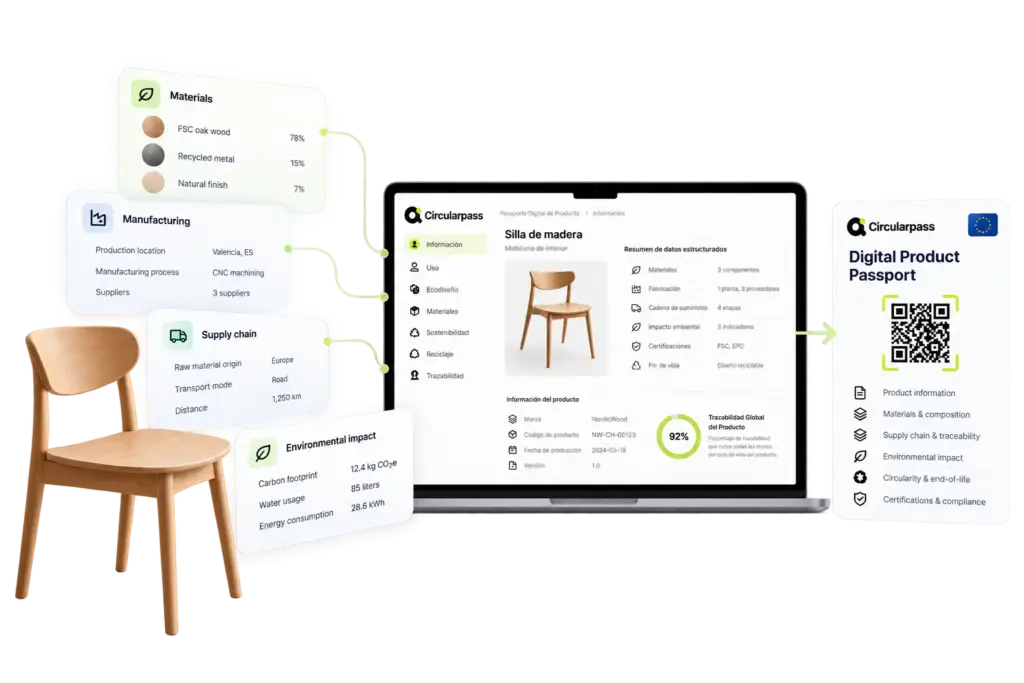
جوازات سفر المنتجات الرقمية are designed to provide access to relevant product information throughout the product lifecycle, supporting traceability, transparency, and circularity. Depending on the industry and applicable requirements, this information may include material composition, product origin, manufacturing processes, environmental footprint, recycled content, or repair and recycling options.
The challenge is that many companies already have much of this information, but it is often scattered across different departments, management systems, documents, spreadsheets, or suppliers.
Five questions to assess data readiness
What product data do we currently have available?
Where is this information stored, and who is responsible for it?
What information is missing to prepare our DPP?
Is our data up to date and reliable?
How can we organise it for future implementation?
Answering these questions is the first step toward building a useful and reliable DPP.
Proper data structuring helps companies identify gaps, establish priorities, define responsibilities, and prepare information for integration into a digital platform.
Data first, technology second
Before selecting a technological solution, companies should assess their current data situation. Some organisations already have advanced management systems, while others still need to determine what information to collect and how to organise it.
Preparation can be carried out internally, with specialist support, or through tools and methodologies designed to identify and structure relevant information. The objective is always the same: to establish an organised, consistent and reliable data foundation.
Before implementation
Then choose technology
Select and configure the platform around a clear data model—not the other way around.
What makes this approach valuable is not simply the ability to display product information digitally, but the possibility of connecting different sources of data through a common product identity. This helps transform information that would otherwise remain fragmented into a more accessible and useful resource for businesses and other stakeholders.
How does CircularPass support this process?
عند ممر دائري, we understand that before implementing a Digital Product Passport, companies need to assess their starting point and understand the current state of their product data.
That's why, through our إيزي تراك program, we guide organizations through this initial process, from analyzing their existing information to developing a first functional DPP prototype.
The program is structured into five stages:
الانطلاق والتدريب الأولي
Define project objectives, align the teams involved and establish the working methodology. The session introduces Digital Product Passports, the ESPR and the core capabilities of CircularPass.
Data diagnosis and gap identification
Assess which data is available, what information is missing and which areas need improvement. Internal responsibilities are clarified and the actions required to progress are prioritised.
Data analysis and structuring
Review existing information sources and develop a simplified Excel-based data model for a pilot product, turning fragmented information into a foundation ready for implementation.
Prototype development with CircularPass
Create a first functional Digital Product Passport prototype and simulate its traceability, allowing teams to see how structured product information works in practice.
تقرير النتائج وخطة العمل
Receive a personalised report covering pilot results, data gaps and recommendations, together with a strategic roadmap for scaling to more products.
EasyTrack moves companies from an initial data assessment to a functional DPP prototype, providing both a clear foundation and an action plan for the next stage of product digitalisation.
Other frameworks to guide data preparation and product transformation
In addition to this support, companies can also use external frameworks to guide their initial assessment of product information and identify opportunities for improvement.
One example is the DiPPa™ Framework, a practical methodology developed by Marion Rouzeaud from her book, DiPPa: Rethinking the Way We Buy Things with Digital Product Passports, which draws on research, interviews, and exchanges with over 60 experts and industry stakeholders.
The framework goes beyond simply identifying and structuring product data. It starts by understanding business objectives and customer priorities, helping organizations determine what truly matters before translating these priorities into meaningful data requirements and opportunities for product innovation and transformation.
Illumination
What matters?
Identify business objectives, values, needs and customer priorities to understand what is most relevant.
Measurement
How do we measure it?
Translate priorities into meaningful indicators and measurable product data that support informed decisions.
Adaptation
What can we improve?
Use product insights to identify opportunities for innovation and transformation throughout the lifecycle.
Explore the DiPPa™ resources
To see how the methodology can be applied in practice, explore the DiPPa™ Framework use cases developed in collaboration with Blue Room Innovation, covering precast concrete panels, structural steel reuse, and plastic packaging.
These examples show how a structured approach can help connect business priorities, product information, and opportunities for circular innovation.
Regardless of the methodology used, what matters most is ensuring that product data is properly structured and ready to be integrated into a technological solution such as CircularPass.
From data to Digital Product Passport implementation
Preparing product data is essential for implementing a DPP, but it is also an opportunity to improve information management, strengthen traceability and support circularity.
CircularPass guides companies from data analysis and structuring through to the implementation of their Digital Product Passports.
THE ESSENTIAL PRINCIPLE
A DPP does not start with technology. It starts with the data that makes it possible.
Establish your data foundation, identify the gaps and move toward a first working passport with a clear implementation roadmap.
اتصل بفريقنامقالات ذات صلة

لائحة PPWR: ما هي، المتطلبات الرئيسية، وكيف تؤثر على الشركات
تعرف على ما يتطلبه نظام PPWR، ومتى ينطبق، والشركات التي تتأثر، وكيفية إعداد بيانات التعبئة والتغليف للامتثال.
مثال على جواز سفر المنتج الرقمي: كيف يبدو برنامج DPP وكيف يعمل
اطلع على مظهر جواز سفر المنتجات الرقمية في الواقع العملي، وما المعلومات التي يمكن أن يحتوي عليه، وكيف يمكن للشركات إعداد وتنفيذ أول جواز سفر منتجات رقمية.

جواز السفر الرقمي للبطاريات بموجب لائحة البطاريات الأوروبية: المتطلبات وكيفية الاستعداد لعام 2027
تعرف على ما هو جواز سفر البطاريات الرقمي، وما يتطلبه نظام الاتحاد الأوروبي للبطاريات، وكيف ينبغي للشركات الاستعداد لعام 2027.